 |
|
|
| |
|
|
| |
VENTILATION AIRWAY CLEARANCE
MONITORING PRODUCTS |
|
| |
|
|
|
|
| |
|
|
|
Dear INSERT NAME,
The first quarter has already flown by. We hope you all enjoyed the public holidays. After hard work, there should always be time for relaxation and family. Making sure you have a good work-life balance simply makes you perform better. At Breas, we always have this in mind, ensuring our products are easy to use to help keep things as simple as possible in your day-to-day practice. Whether it's about ease of use for the patient, the healthcare professional or the service technician, simplicity is key.
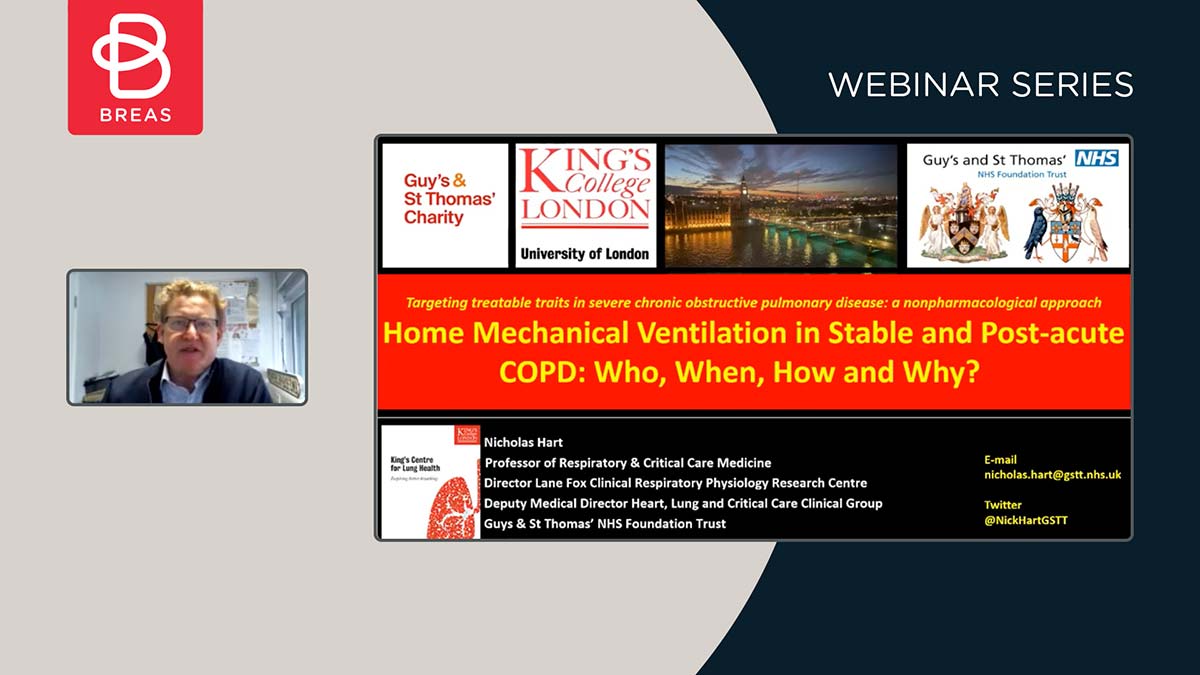
We would like to thank everyone in advance for the trust you put in us. Lots of you have registered to view our premium content, which is great! We love to hear that you appreciate Education by Breas and incorporate it into your learning. We hope you will continue to enjoy this year's content, including Prof Nick Hart's lecture on HMV in COPD: who, how and when! and last month's lecture on the use of M I/E in Children: common questions and answers by Dr Michelle Chatwin. This month, we look forward to Prof Stijn Verhust discussing non-respiratory sleep disorders in children, and in May we will be joined by Prof Martijn Spruit to explore the impact of Long Covid.
From 7th to 11th September, we will be attending one of the biggest respiratory congresses, ERS. We hope that you will make the trip to Vienna and pay us a visit! For those who have not yet registered, you can register with an early bird discount by clicking here. We will also be attending several smaller congresses in the coming months. For more information, please contact your local sales representative.
Best Regards,
The Education by Breas Team |
|
| |
|
|
|
|
| |
|
|
| |
|
|
| |
|
|
| |
|
COPD is one of the leading causes of death in the world and costs society billions every year. However, COPD is not yet treated in the same way worldwide. Hence, it's valuable to attend Prof Nick Hart's lecture to better understand what we can do to reduce costs and give the patient a fair chance.
|
| |
|
|
|
|
|
| |
|
|
|
|
| |
|
|
| |
|
|
| |
|
| |
|
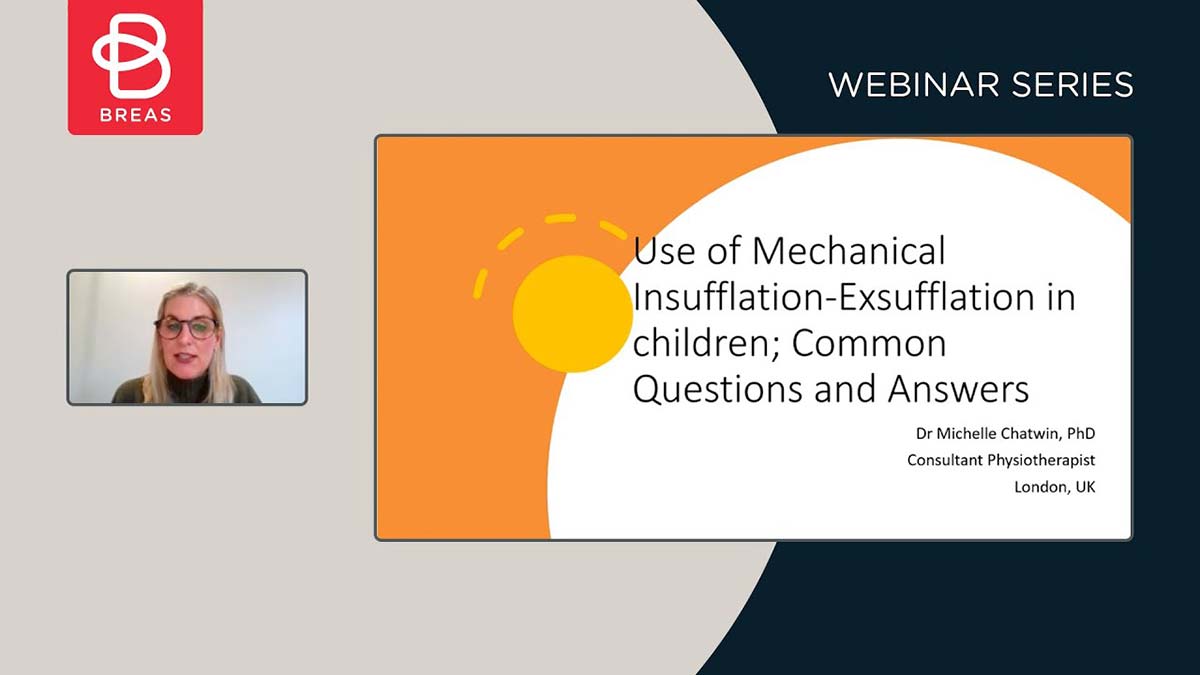
MI-E has been used for decades now in various patient categories, including NMD, ICU, adults, children, etc. Despite this, we often get asked the same questions. Dr Michelle Chatwin answers the most common questions regarding the use of MI-E in children. We have French subtitles available for this content; simply click the French flag! If you have further questions after watching, feel free to reach out by scanning the QR code or emailing us at breasclinicalteam@breas.com.
|
| |
|
|
| |
|
|
| |

|
| |
|
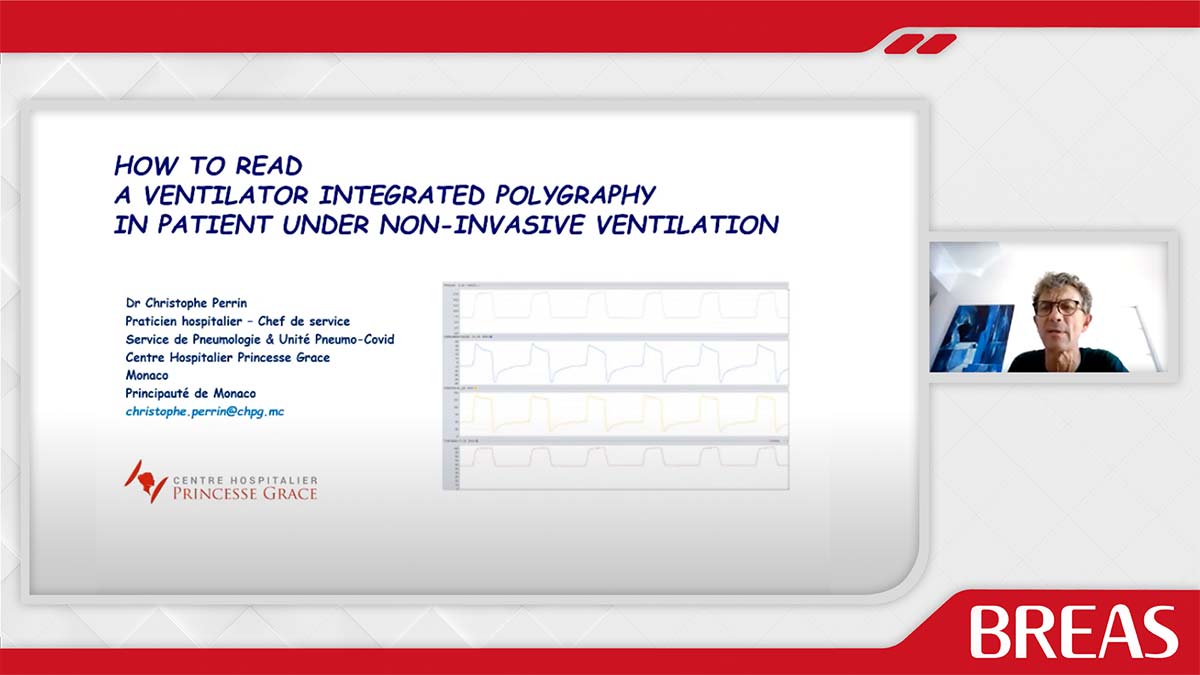
Globally, we see more and more data being centralised, which offers numerous advantages such as better analysis and more opportunities for research. Today, all telemonitoring data is stored in the cloud. But what about patients who are not connected? Can their data also be centralised? Watch this video and learn how simple it is to centralise all data in the cloud. The content is available in German, Italian, French, Spanish and Portuguese.
|
| |
|
|
|
|
|
| |
|
|
|
|
| |
|
|
| |
|
|
| |
|
|
| |
|
|
| |
|
|
|
|
|
|
|
|
This email was sent to INSERT EMAIL ADDRESS because you are subscribed to the Education by Breas Newsletter. You can unsubscribe from this Newsletter at any time here.
|
|
|
|